
California Low Cost Auto Insurance (CLCA): 2026 Income Limits, Eligibility & Costs
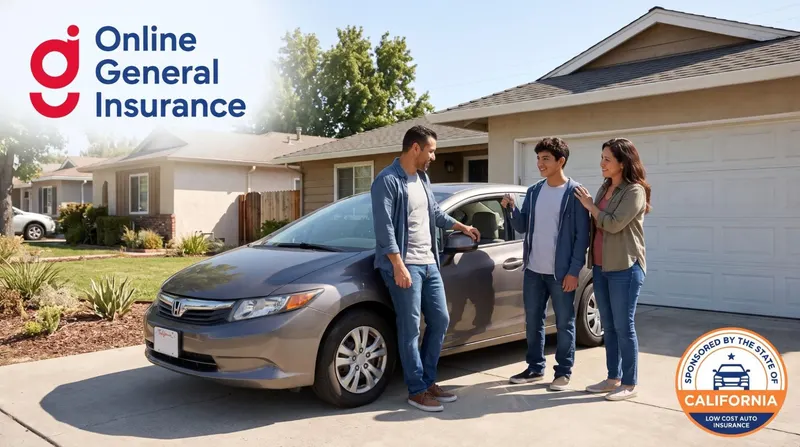
Finding affordable car insurance can be challenging for California residents, especially when household income is limited and standard insurance premiums are difficult to manage. Fortunately, the California Low Cost Auto Insurance (CLCA) Program provides an affordable option for eligible drivers who need basic liability coverage to drive legally.
The program is designed to help income-qualified California residents obtain essential auto insurance without paying the higher premiums commonly associated with standard policies. However, not every driver automatically qualifies. Applicants must meet specific household income requirements, vehicle ownership rules, age restrictions, and driving record standards.
Understanding the California low cost auto insurance income limits is an important first step before beginning an application. For 2026, eligibility is based on household income not exceeding 250% of the applicable federal poverty guideline.
This guide explains the 2026 CLCA income limits by household size, qualification requirements, estimated insurance costs, coverage options, and application process. It also explains how California drivers can use the official rate calculator to explore their potential insurance costs.

What Is California Low Cost Auto Insurance (CLCA)?
The California Low Cost Auto Insurance Program is a state-established initiative designed to make basic auto liability insurance more affordable for income-eligible drivers. It was created to help residents who may struggle to afford regular insurance premiums but still need to meet California's financial responsibility requirements.The program operates through the California Automobile Assigned Risk Plan (CAARP) and is sponsored by the California Department of Insurance.Unlike many standard insurance policies, CLCA offers limited liability coverage at reduced rates. Its premiums are based partly on the applicant's county of residence, driving history, and other eligibility factors.Drivers can learn more about the California Low Cost Auto Insurance program and review the available auto insurance services in California before deciding whether this coverage meets their needs.
Who Is the CLCA Program Designed For?
The program primarily supports California residents who:Have a limited household income.Own an eligible private passenger vehicle.Have a valid California driver's license or another accepted licensing status.Meet the program's age requirements.Have a qualifying driving record or meet the new-driver requirements.Need affordable liability insurance to drive legally.
It can be particularly useful for individuals and families who cannot comfortably afford higher standard auto insurance premiums.
For additional information about affordable insurance and available coverage, explore California auto insurance options.

How CLCA Differs From Standard Auto Insurance
The biggest difference is the cost and level of coverage.
Traditional insurance companies may offer liability, collision, comprehensive, and additional protection options. CLCA focuses on affordable basic liability coverage and does not provide collision or comprehensive coverage.
Its lower coverage limits also mean drivers may have greater out-of-pocket financial responsibility after serious accidents.
CLCA Income Limits for 2026
Income eligibility is one of the most important parts of the application process. Under California Insurance Code Section 11629.73, an applicant's gross annual household income must not exceed 250% of the applicable federal poverty guideline.For California, the relevant 2026 guidelines are those published for the 48 contiguous states by the U.S. Department of Health and Human Services (HHS).
Income Limits by Household Size
The following table shows the calculated 2026 maximum income amounts using 250% of the 2026 HHS poverty guidelines.
| Household Size | 2026 Annual Income Limit |
|---|---|
| 1 Person | $39,900 |
| 2 People | $54,100 |
| 3 People | $68,300 |
| 4 People | $82,500 |
| 5 People | $96,700 |
| 6 People | $110,900 |
| 7 People | $125,100 |
| 8 People | $139,300 |
For households with more than eight people, an additional $14,200 is added for each person.
Important: These amounts are calculated by multiplying the 2026 HHS poverty guidelines by 2.5. Applicants should confirm their household size and qualifying income with the official program before applying.
For example, a household of four may have annual gross income of up to $82,500 under this calculation. A household earning $80,000 may fall within the income limit, provided it meets the remaining program requirements.
For more information about affordable coverage, visit the CLCA program information page.
What Counts as Household Income?
Household income is an important factor when determining eligibility. The program uses household information for income verification rather than considering only the applicant's individual earnings.
Depending on the applicant's circumstances, income documentation may include:
Household composition and income must be reported accurately. Students and individuals claimed as dependents may have additional household documentation requirements.
- Employment wages and salaries.
- Self-employment earnings.
- Social Security benefits.
- Pension income.
- Supplemental Security Income (SSI).
- Other qualifying household income.
How to Verify Income Eligibility
Applicants may be asked to provide documents showing their household income or enrollment in qualifying assistance programs.
Commonly accepted documentation includes:
The program may also allow an income eligibility certification when traditional income documents are unavailable. Acceptance depends on the program's verification rules.
- Recent pay stubs.
- Federal or state tax returns.
- W-2 forms.
- 1099 forms.
- Social Security or pension statements.
- Medi-Cal enrollment documentation.
- CalFresh or CalWORKs enrollment information.
- Other accepted public assistance records.

Who Qualifies for California Low Cost Auto Insurance?
Meeting the income limit alone does not guarantee approval. California low cost auto insurance eligibility also depends on the driver's age, licensing status, driving history, and vehicle ownership.The following requirements help applicants understand whether they may qualify.
Driver's License and Age Requirements
Generally, applicants must:Be at least 16 years old.Have a valid California driver's license or another licensing status accepted by the program.Meet household income requirements.Satisfy the program's driving history standards.
Driving Record Requirements
CLCA is designed primarily for good drivers and eligible new drivers.The general good-driving-record standard allows no more than one of the following during the previous three years:One at-fault accident involving property damage only.One point for a moving violation.
Vehicle Value and Ownership Requirements
The vehicle must meet the program's vehicle eligibility standards.Important requirements include:The vehicle must be a private passenger vehicle.It must have at least four wheels.Its current value must not exceed $25,000.Applicants generally cannot have more than two vehicles registered in their name.
AB 60 Driver's License Eligibility
California's AB 60 driver's licenses are accepted by the CLCA program.This is important for eligible California residents who cannot obtain a standard driver's license because of immigration status but have successfully received an AB 60 license.Holding an AB 60 license does not automatically guarantee approval. Applicants must still satisfy the income, vehicle, and other program requirements.
Applicants younger than 18 must be legally emancipated to purchase their own CLCA policy.
Drivers aged 19-24 who are unmarried may also have different premium considerations. The official calculator includes questions about age and licensing history.
An applicant must not have an at-fault accident involving bodily injury or death during the previous three years. Certain felony or misdemeanor convictions for Vehicle Code violations can also affect eligibility.
Drivers who have questions about insurance following a traffic violation can also read this guide on California SR-22 insurance costs and duration.
The vehicle must also have a qualifying California residential and parking address.
These rules help ensure the program remains focused on drivers who need affordable basic insurance.
How Much Does California Low Cost Auto Insurance Cost?
The cost of a CLCA policy depends on several factors, including the applicant's county, driving history, and age.
According to published program information, annual premiums across California range from approximately $199 to $986. Actual premiums vary, so applicants should use the official rate calculator rather than assume that every county has the same price.
Drivers interested in understanding other pricing factors can also explore how much car insurance costs in California.

CLCA Premiums by County
CLCA uses county-based pricing. This means the annual premium for a driver in Los Angeles County may differ from the amount charged to an eligible driver in another California county.
Factors affecting the estimated premium include:
For California low cost auto insurance in Los Angeles, the official calculator is the most reliable way to check the current estimated premium.
Do not rely on outdated county pricing tables because program rates may change.
- County of residence.
- Whether the applicant has been continuously licensed for three years.
- Applicant age.
- Whether the applicant is an unmarried driver aged 19-24.
How to Use the Official CLCA Rate Calculator
The official CLCA rate calculator helps applicants estimate their annual insurance premium before completing an application.
Follow these steps:
The calculator is useful for comparing estimated costs and understanding whether CLCA may be an affordable option.
Remember that the displayed amount is an estimate, not a guaranteed final insurance quote.
- Visit the official CLCA rate calculator.
- Select your California county.
- Answer whether you have been continuously licensed for three years.
- Provide the requested age-related information.
- Review your estimated annual premium.
- Continue to the eligibility questionnaire if you want to check your qualification status.
Payment Options and Additional Fees
The program provides payment options to help eligible drivers manage their insurance expenses.
According to published payment information, applicants can choose:
Each installment payment carries a $4 transaction fee under the published payment arrangement.
Applicants should review the final payment schedule and any applicable charges before purchasing a policy.
For drivers comparing other available insurance options, the Online General Insurance auto insurance service provides information about different types of coverage.
- Pay the full annual premium.
- Pay 20% down and make seven installment payments.
What Does CLCA Insurance Cover?
Understanding coverage is just as important as understanding the premium. CLCA provides basic liability insurance that helps eligible drivers meet California's financial responsibility requirements.However, it does not provide the same protection as a comprehensive standard insurance policy.
Basic Liability Coverage Limits
The CLCA program provides the following liability limits:
| Coverage Type | CLCA Coverage Limit |
|---|---|
| Bodily Injury Per Person | $10,000 |
| Bodily Injury Per Accident | $20,000 |
| Property Damage Per Accident | $3,000 |
Bodily injury liability helps pay for injuries or death caused to other people in an accident for which the insured driver is legally responsible.
Property damage liability helps cover damage caused to another person's vehicle or property, up to the policy limit.
These limits are lower than the standard California minimum liability limits introduced in 2025, but CLCA's limits remain legally recognized for the program.
Drivers can also review California auto insurance coverage options to understand how different policies and liability limits compare.
Optional Medical Payments and Uninsured Motorist Coverage
Drivers may also have the option to purchase additional protection.
The program's published optional coverage includes:
The published additional annual cost for these optional coverages ranges from approximately $38 to $81, depending on the applicable policy details.
These options may provide additional financial protection, but applicants should review the policy terms before selecting them.
- Medical Payments: $1,000 per person.
- Uninsured Motorist Bodily Injury: $10,000 per person and $20,000 per accident.
What CLCA Does Not Cover
One important limitation is that CLCA does not offer comprehensive or collision insurance.
This means the policy does not pay to repair the insured driver's own vehicle after a covered collision or a non-collision event such as theft.
Drivers who want protection for their own vehicle should investigate broader insurance options, including comprehensive and collision auto insurance coverage.
CLCA vs. Regular California Auto Insurance
CLCA and regular auto insurance both help drivers meet financial responsibility requirements, but they offer different coverage levels and eligibility conditions.
| Feature | CLCA Insurance | Regular Auto Insurance |
|---|---|---|
| Income Requirements | Yes | Generally No |
| County-Based Program Rates | Yes | Insurer-dependent |
| Bodily Injury Per Person | $10,000 | Standard minimum $30,000 |
| Bodily Injury Per Accident | $20,000 | Standard minimum $60,000 |
| Property Damage | $3,000 | Standard minimum $15,000 |
| Collision Coverage | Not Available | Often Available |
| Comprehensive Coverage | Not Available | Often Available |
| Eligibility Restrictions | Specific Program Rules | Insurer-dependent |
When CLCA May Be Suitable
CLCA may be suitable for drivers who:
For these drivers, the program may offer a practical way to maintain legal insurance while managing household expenses.
- Meet the household income limits.
- Own an eligible vehicle.
- Need affordable basic liability coverage.
- Want to meet California insurance requirements.
- Do not need collision or comprehensive coverage through their policy.
When Broader Insurance Coverage May Be Needed
Regular auto insurance may be more appropriate for drivers who need additional protection.
For example, someone who owns a newer vehicle or wants financial protection against theft and collision damage may benefit from broader coverage.
Drivers with financed or leased vehicles should pay particular attention to their lender's insurance requirements. A CLCA policy alone may not satisfy a lender's requirement for comprehensive and collision coverage.
Before choosing a policy, compare auto insurance coverage options to understand the available protection and costs.
You can also review California car insurance rates and pricing factors before comparing policies.
How to Apply for California Low Cost Auto Insurance
The California low cost insurance application process is designed to help eligible residents check their qualifications and connect with the program.Applicants can start online or receive assistance from a certified insurance agent.
Documents Needed for an Application
Before starting, prepare the documents that may be required to verify your information.These can include:Valid California driver's license or accepted AB 60 license.Vehicle registration.Vehicle ownership information.Proof of California residential address.Household income documentation.Recent tax return or income statement.Accepted public assistance enrollment documentation, if applicable.
Official Eligibility Questionnaire
The official eligibility questionnaire helps determine whether an applicant meets the program's basic requirements.It asks questions about:Applicant age.California residential address.Driver's license status.Household income.Vehicle ownership.Vehicle value.Driving history.Student and dependent status, where applicable.
Having these documents ready can make the application process easier.
Applicants can access the official CLCA eligibility requirements to begin checking their qualifications.

Application Steps and Agent Assistance
The general application process involves the following steps:
Step 1: Review the requirements.
Check your household income, driver's license, vehicle value, and driving history.
Step 2: Complete the eligibility questionnaire.
Provide accurate information through the official CLCA website.
Step 3: Review your estimated premium.
Use the rate calculator to understand the potential annual insurance cost.
Step 4: Apply online or contact an agent.
Eligible applicants can continue online or request help from a certified insurance agent.
Step 5: Review the policy.
Check coverage limits, payment arrangements, and policy conditions before purchasing.
Drivers who need assistance comparing other insurance policies can also visit Online General Insurance to explore available auto coverage services.
What If You Don't Qualify for CLCA?
Not every California driver meets the program's eligibility requirements. For example, an applicant may have income above the limit, own a vehicle valued above $25,000, or have a driving record that does not meet the program standards.However, not qualifying for CLCA does not mean you cannot obtain auto insurance.
Alternative California Auto Insurance Options
Drivers who do not qualify can explore other insurance options, including:Standard liability-only auto insurance.Higher-limit liability policies.Comprehensive and collision insurance.Insurance options offered by different licensed providers.California's Automobile Assigned Risk Plan (CAARP), for drivers who have difficulty finding coverage through the regular market.
How to Compare Premiums and Coverage
When comparing policies, do not focus only on the monthly premium.Consider these factors:Liability coverage limits.Deductibles.Collision and comprehensive protection.Optional medical payments coverage.Uninsured motorist protection.Payment schedules and fees.Policy exclusions.
You can explore California auto insurance services to understand different policy options.
Drivers who have difficulty finding standard coverage because of their driving history may also find this guide helpful: California SR-22 Insurance Costs and Duration.
Reviewing these details can help you choose coverage that fits your financial situation without leaving important protection gaps.
For additional information about California auto insurance, explore the available insurance services and coverage options.
Get Help Understanding Your California Auto Insurance Options
Finding the right auto insurance policy involves more than choosing the lowest premium. California drivers should understand their eligibility, coverage limits, vehicle requirements, and payment options before selecting an insurance plan.
The California Low Cost Auto Insurance Program can be a valuable option for income-eligible residents who need basic liability protection. Reviewing the 2026 income limits, checking your driving record, and using the official rate calculator can help you determine whether you may qualify.
At Online General Insurance, drivers can explore California auto insurance services and available coverage options to better understand their choices.
Whether you are comparing standard liability coverage, reviewing additional protection, or learning about affordable insurance options, understanding your choices can help you make an informed decision.
Visit Online General Insurance to learn more about available insurance services.
Before applying, always confirm the latest eligibility rules, income verification requirements, and premium estimates through the official California CLCA program.
Frequently Asked Questions
What Is the CLCA Income Limit for a Family of Four?
For 2026, the calculated CLCA income limit for a household of four is $82,500 annually. This amount represents 250% of the 2026 HHS poverty guideline of $33,000. Applicants must also satisfy the program's other eligibility requirements.
Can I Qualify With an AB 60 Driver's License?
Yes. The CLCA program accepts AB 60 driver's licenses. However, applicants must still meet the household income, vehicle ownership, age, and other qualification requirements.
Can I Apply if I Receive Medi-Cal or CalFresh?
Yes. Receiving Medi-Cal or CalFresh may help document eligibility through accepted public assistance enrollment records. However, receiving these benefits does not automatically guarantee CLCA approval. Applicants must satisfy the program's requirements.
How Much Does CLCA Cost in Los Angeles County?
CLCA premiums vary by county and individual eligibility factors. Published statewide annual premiums range from approximately $199 to $986. To find the estimated Los Angeles County rate, use the official CLCA rate calculator.
Does CLCA Cover Damage to My Own Car?
No. CLCA does not offer collision or comprehensive coverage. Its main purpose is to provide basic liability protection for injuries and property damage caused to others. Drivers seeking protection for their own vehicles should explore broader auto insurance coverage options.
Can I Qualify With a Traffic Ticket or Accident?
Possibly. CLCA has specific driving record requirements. Generally, the good-driver standard permits no more than one qualifying property-damage-only at-fault accident or one moving violation point during the previous three years, but not both. Certain accidents and convictions can disqualify an applicant.
Can I Get CLCA for a Financed Vehicle?
A financed vehicle may meet the program's vehicle eligibility requirements if it satisfies the ownership and value rules. However, lenders commonly require comprehensive and collision insurance. Since CLCA does not provide these coverages, check with your lender before relying on a CLCA policy.